
Published in BrainFuel, July 2026
"To look at VEHICULE is to perform a surgical autopsy on the concept of luxury itself. It is a thesis, a critique even, of the world in which references from the '80s combine with the future of commodification, dissecting how humans will do anything to fill a cultural void and feel empowered by doing so.
Because why else would you want to spend one million dollars on a sticker, other than to be the crown jewel of the glitterati's latest gossip?

It understands that we have moved past the era where a brand needs to explain itself to the consumer. Instead, it creates an ecosystem that demands the consumer explain themselves to the brand.
This is what happens when you pioneer the sale of an era, one that was defined by excess, danger, and a complete disregard for the rules that govern the rest of us.
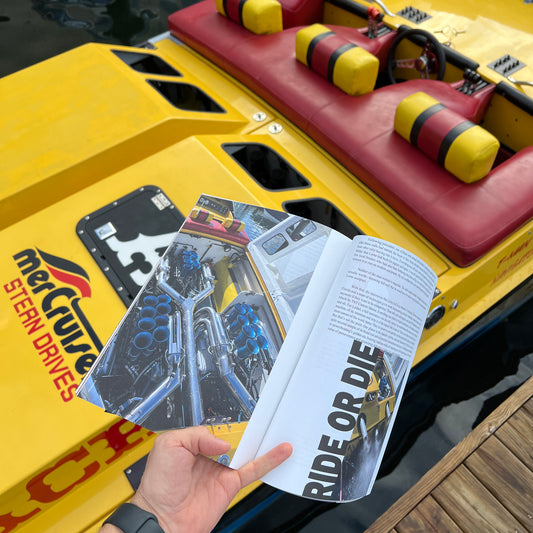
The brand functions as a repository for the aesthetic of the 1980s offshore powerboat circuit, a period of time where the lines between entrepreneurship and illicit activity were permanently blurred.

There is a deliberate, grainy nostalgia applied to every touchpoint. It recalls a world of Ben Kramer, custom Apache boats, and the Miami coastline, framing these not as historical footnotes, but as the blueprint for a modern, untouchable lifestyle lived on the edge.
We live in an age of algorithmic, frictionless consumption. VÉHICULE resists this by intentionally introducing friction.
By curating a selection of vehicles - the Ferrari Testarossa necklace, the custom G-Wagon, an apt white Countach à la Jordan Belfort - and presenting them as sculptural objects rather than transport, they strip away the utility and leave only the iconography of a choice.

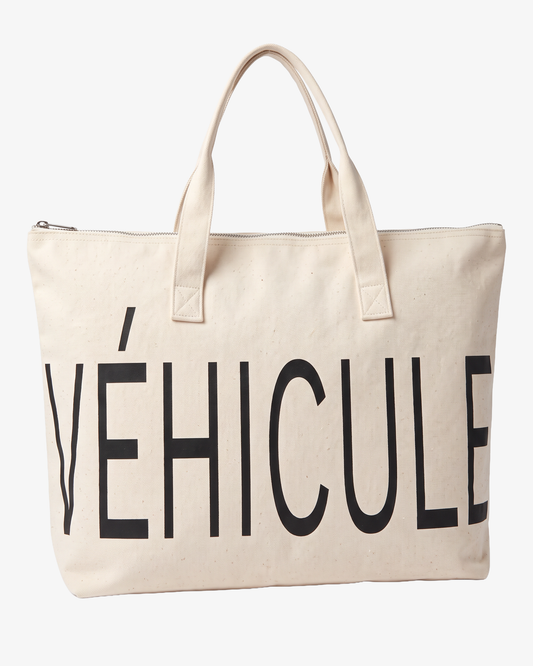
Similarly, the decision to plaster its branding over the Ligne Roset Togo sofa transcends collaboration; it is a hostile takeover of the domestic space and a newfound cult status symbol. It serves as a reminder that the brand wants to occupy the architecture of the human life; a statement on the totalising nature of modern aesthetic identity, where your furniture becomes an extension of your subculture.
Subversion and contradiction is rife within VEHICULE.
A balaclava designed to conceal appears in reflective fabrics. Stealth wealth family signets become brand loyalty. VÉHICULE creates items that offer the illusion of wealth, turning the oddities from a symbol of luxury into a complex human study, one that questions how greedy, selfish, and self-absorbed one can really be.
Think.
Why do we obsess over the wide-body Gemballa Porsche or the blacked-out Testarossa? It is because they represent a departure from the status quo. The modern car does everything except make you feel something, and VÉHICULE's cars do the opposite; they require effort, they require focus, and they offer no safety. They are the last bastions of un-optimised experience.

By selling a £35 t-shirt alongside items of exorbitant, "if you have to ask" pricing, the brand maintains a paradox. It is simultaneously the most exclusive brand in the world and one that is accessible to anyone with a credit card.
This tension is intentional. It creates a hierarchy of influence that cannot be bought, only earned through a deep, encyclopaedic knowledge of the cultural references they drop.
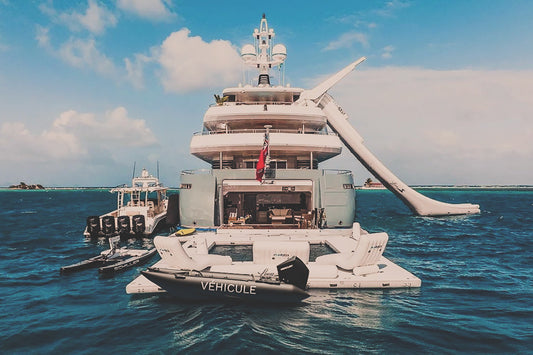
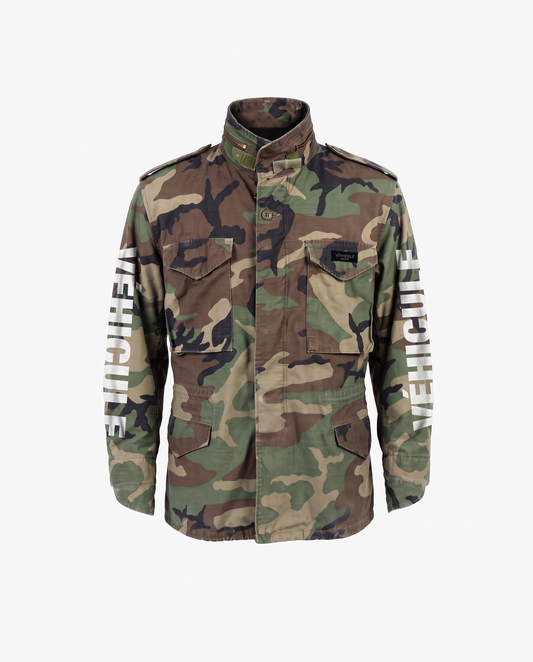
Everything about its visual language, from the sun-drenched, over-exposed film stocks, to the geometric patterns of the camouflage yachts and the low-angle shots of high-performance hulls cutting through water, is designed to induce a sense of motion and hedonism.
It understands that in the 21st century, the most valuable commodity is not gold or oil; it is context. By referencing niche automotive history and prohibited, obscure '80s subculture, it trades in social capital. To understand the reference is to be "in," and to be "in" is the only metric of success that matters in the modern social hierarchy.

VÉHICULE is a direct rejection of the data-driven marketing that plagues every other luxury house, championing the difficult topics.
There is a lingering sense of the "getaway" in everything it produces. It is the feeling of a job being finished, the engines cutting out, and the horizon looming. It is the romance of the heist, stripped of the crime but retaining the adrenaline.
It is a highly aestheticised version of liberation.
The constant reliance on archival footage, VHS tapes, old race day recordings, is a weapon. It anchors the brand in a reality that feels more "real" than the hyper-HD, Al-laden world we inhabit now.
It provides a sense of lineage, a provocative history that feels more authentic than the truth.

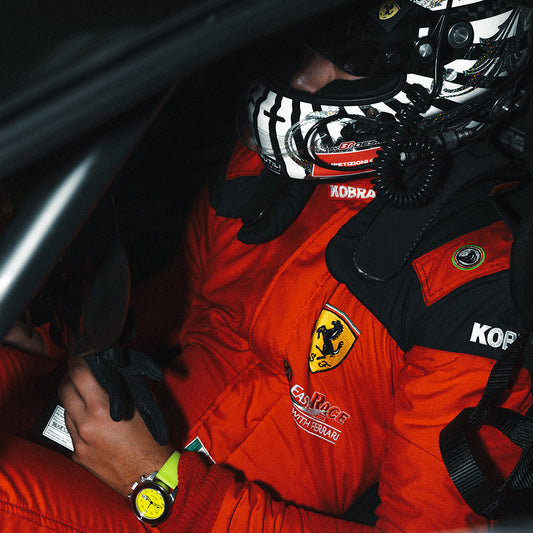
And it all culminates in the performance of wealth. The gold signet ring, the neon UNIMATIC watch, the custom boat, are all props for a life lived at a higher frequency. It is a form of method acting, where the consumer buys the gear to step into the role of the protagonist.
The ultimate power of VEHICULE lies in its ability to be completely unbothered.
VÉHICULE is a thesis on the beauty of the fringe.
It proves that the most compelling story you can tell in 2026 is one that pretends the rest of the world isn't watching.
It is a real magazine, a real race, and a real, lasting subversion.
The million dollar sticker is not the price of an object; it is the price of admission to a fantasy we yearn to belong to."